Introduction
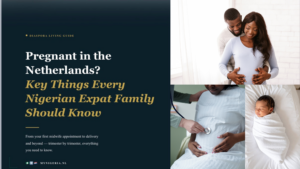
Becoming a parent is an exciting journey, but if you’re in a new country, navigating the systems can feel overwhelming. The good news is that the Dutch healthcare system is incredibly organized and supportive when it comes to maternity and childcare. If you’re an expectant or new parent in the Netherlands, here’s what you need to know.
Pregnancy Care in the Netherlands
Pregnancy care here starts with a verloskundige (midwife), who becomes your go-to person during pregnancy. The midwife handles your check-ups, gives you advice, and prepares you for childbirth.
But here’s the key: if there are any complications during your pregnancy, you’ll be referred to a gynaecoloog (gynecologist) in the hospital. This also means you’ll give birth in the hospital under specialist care.
Postnatal Care: Kraamzorg Explained
One of the most beautiful things about having a baby in the Netherlands is kraamzorg. This is a unique postnatal service where a kraamverzorgende (maternity nurse) comes to your home every day for the first 7 to 8 days after your baby is born.
Here’s what they do:
• Help with baby care—bathing, feeding, and understanding your baby’s needs.
• Monitor the health of both you and your baby.
• Handle light household tasks so you can focus on healing and bonding.
The kraamverzorgende doesn’t stay overnight but spends 6 to 8 hours a day with you. If you or your baby need extra care, the hours can be adjusted. This service is usually covered by health insurance, but there might be a small personal contribution. Register early, preferably in your first trimester, to ensure you can access it.
Preparing for Your Baby’s Arrival
Before your baby arrives, you’ll need to prepare a kraampakket (maternity package). This kit includes things like maternity pads, waterproof sheets, sterile gauze, and a thermometer—basically all the essentials you’ll need for childbirth and postnatal care.
Here’s how you can get yours:
1. Health Insurance: Some insurers, like Zilveren Kruis, provide the kraampakket as part of their coverage.
2. Thuiszorg: This means “home care” in English. You can borrow equipment or supplies through these organizations if your insurance doesn’t provide the package.
3. Baby Stores: If you need additional items or want to shop, great options include:
• Babypark
• Prénatal
• Baby Plus
Postnatal Check-Ups at the Consultatiebureau
After your baby is born, you’ll be invited to the Consultatiebureau (Child Health Clinic). This is where babies and toddlers aged 0 to 4 years get regular check-ups to track their growth and development.
Here’s what happens at the Consultatiebureau:
• Your baby’s length, reflexes, hearing, vision, lungs, and overall development are checked.
• All this information is recorded in a Groei Boekje (growth book), which becomes a record of your baby’s milestones.
• They also give advice on sleeping, playing, and other parenting topics.
• Vaccinations are provided as part of the national immunization program.
Thriving as a Parent in the Netherlands
I know that living in a new country while navigating parenthood can feel like a lot. But the Dutch system is set up to support you every step of the way—from pregnancy care with the midwife to kraamzorg and the Consultatiebureau. It’s all about helping you adjust to life with your baby and giving you the confidence to thrive as a parent.